
When planning a road construction project in Nigeria, one of the first practical questions contractors ask is: “Is a 40 TPH asphalt plant enough for my project?” If your target is a 10 km road, the answer is not simply yes or no. It depends on several real-world factors, including road width, layer thickness, working schedule, and project deadlines.
In many cases, contractors consider investing in a asphalt mixer plant to gain more control over supply, reduce dependency on external suppliers, and improve project efficiency. But choosing the right capacity is the key to success.
In this article, we break down the numbers, explain key considerations, and help you decide whether a 40 TPH asphalt plant fits your project—or if you should consider a different capacity. Let’s look at it from a contractor’s perspective, focusing on efficiency, cost control, and project delivery.
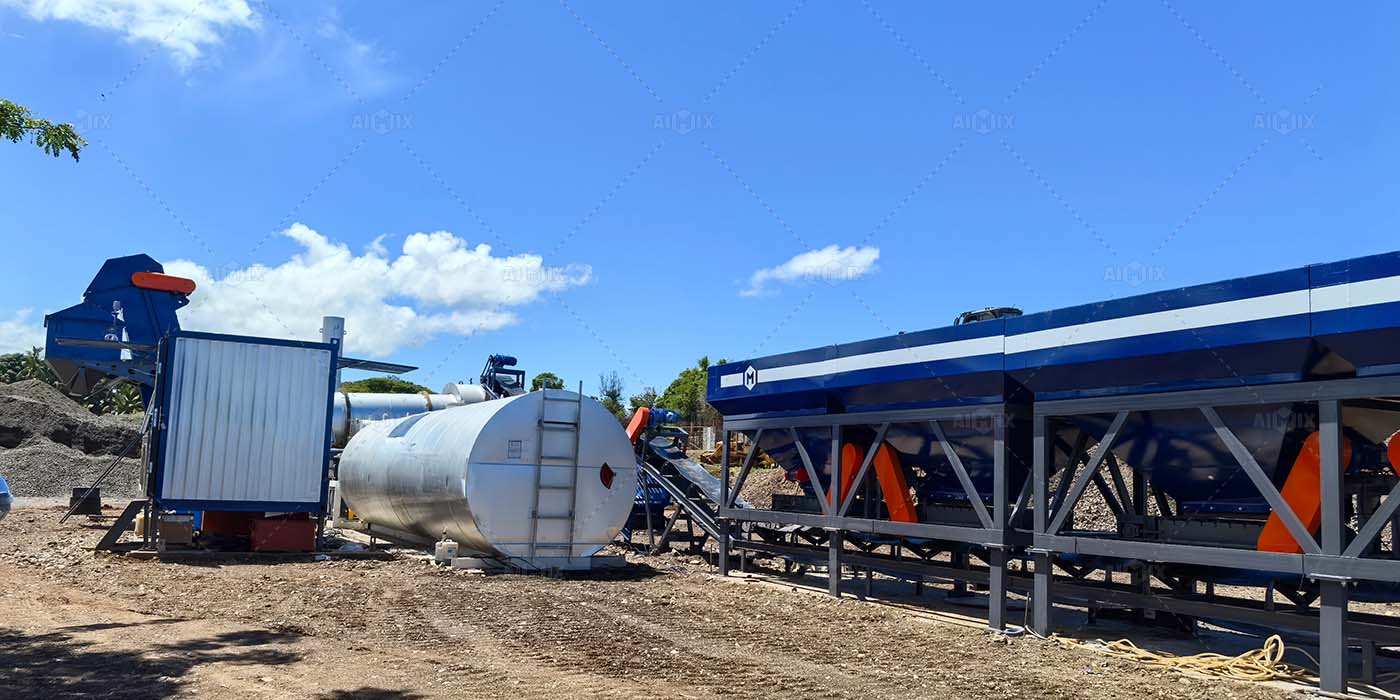
Understanding What 40 TPH Really Means
Before making any decision, you need to understand what “40 TPH” represents in practice. TPH stands for tons per hour. So, a 40 TPH asphalt plant produces 40 tons of asphalt mix per hour under ideal conditions.
However, real construction sites rarely operate under perfect conditions. Therefore, actual output often ranges between 70% and 85% of the rated capacity.
Typical Effective Output
In Nigeria, considering raw material moisture, operator skill, and fuel stability, a 40 TPH plant usually delivers:
• 28–34 tons/hour (real working output)
• 220–270 tons/day (8-hour shift)
• 300–400 tons/day (10–12 hour operation)
This realistic output is the foundation for calculating whether the plant can meet your project needs.
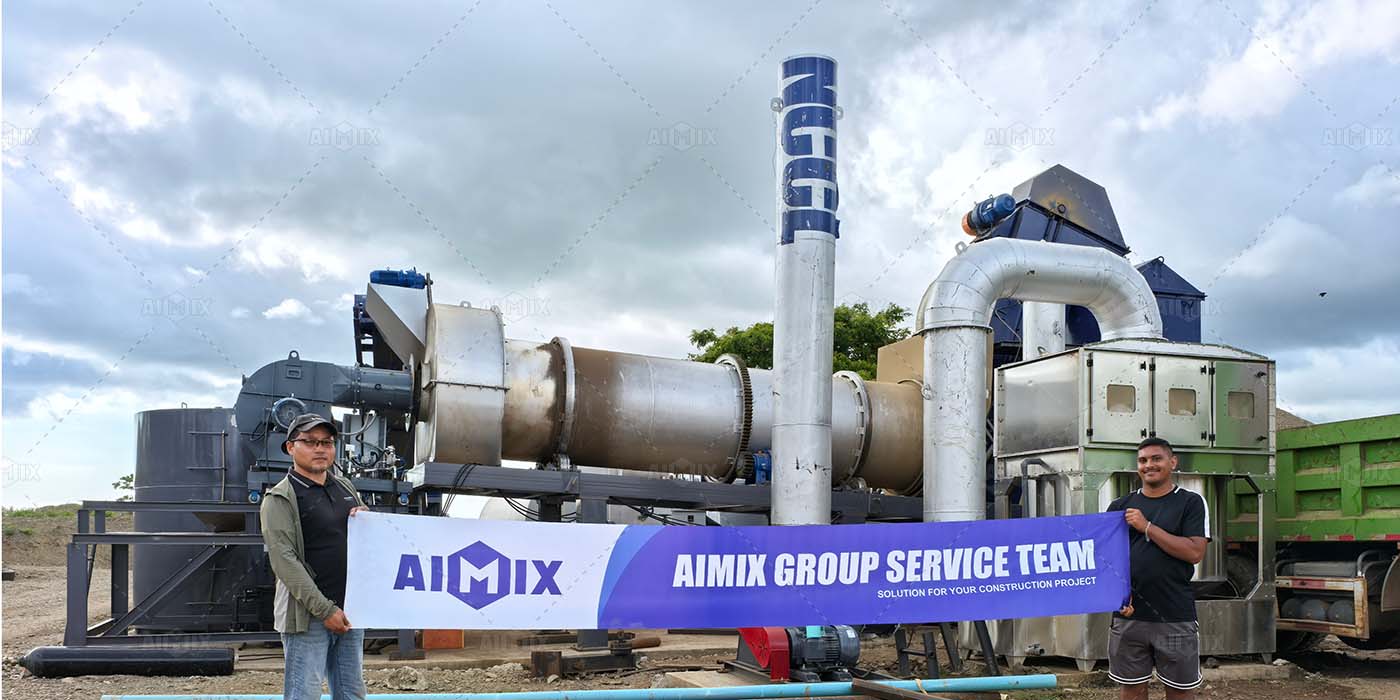
How Much Asphalt Is Needed For A 10 Km Road?
Now that we understand production capacity, the next step is to estimate total asphalt demand. This depends on road design, which varies across Nigeria based on traffic class and project standards.
For contractors working in remote areas or multiple small projects, a small asphalt plant can be a flexible choice, especially when mobility and quick setup are important.
Let’s assume a common scenario for a two-lane road project.
Typical Road Design Assumptions
• Road length: 10 km
• Road width: 7 meters
• Asphalt thickness: 5 cm (0.05 m)
• Asphalt density: 2.35 tons/m³
Volume And Tonnage Calculation
Volume = Length × Width × Thickness
= 10,000 m × 7 m × 0.05 m = 3,500 m³
Total asphalt required:
3,500 m³ × 2.35 tons/m³ = 8,225 tons
So, for a standard 10 km road, you need approximately 8,000–8,500 tons of asphalt mix.
With this number in mind, we can now evaluate whether a 40 TPH plant can handle the workload.
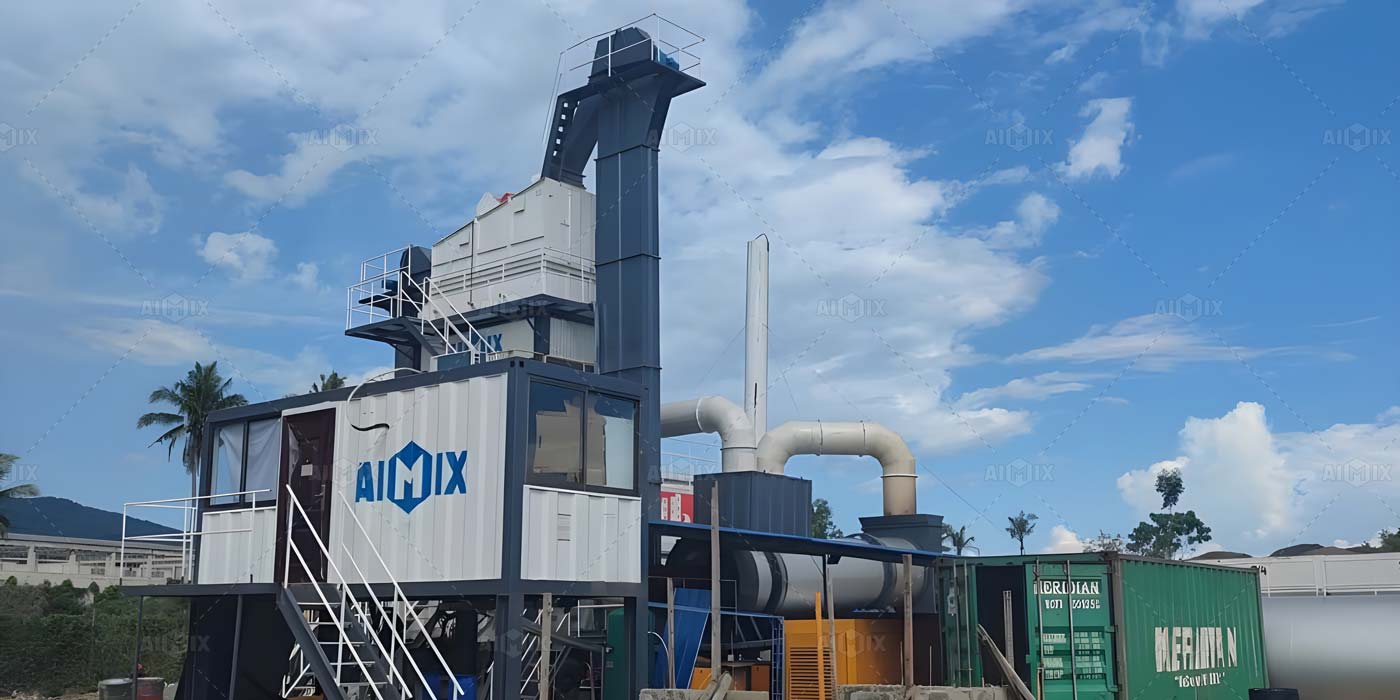
Can A 40 TPH Asphalt Plant Complete The Project On Time?
Now comes the key question. Let’s connect plant capacity with project duration.
Many contractors evaluating equipment options also compare models like a mini asphalt plant for sale, especially when working on budget-sensitive or entry-level projects.
Estimated Production Time
If your plant produces around 300 tons per day:
8,200 tons ÷ 300 tons/day = about 27–30 working days
This means a 40 TPH asphalt plant can technically complete the asphalt supply for a 10 km road within one month of continuous operation.
However, this estimate assumes smooth logistics and no interruptions. In reality, several factors can extend the timeline.
Key Factors That Affect Timeline
• Rainy season interruptions (common in many regions of Nigeria)
• Aggregate supply delays
• Equipment downtime or maintenance
• Traffic control and site coordination issues
Therefore, a more realistic timeline is 35–45 working days.
So yes, a 40 TPH asphalt plant is enough—but only if your project schedule allows this duration.
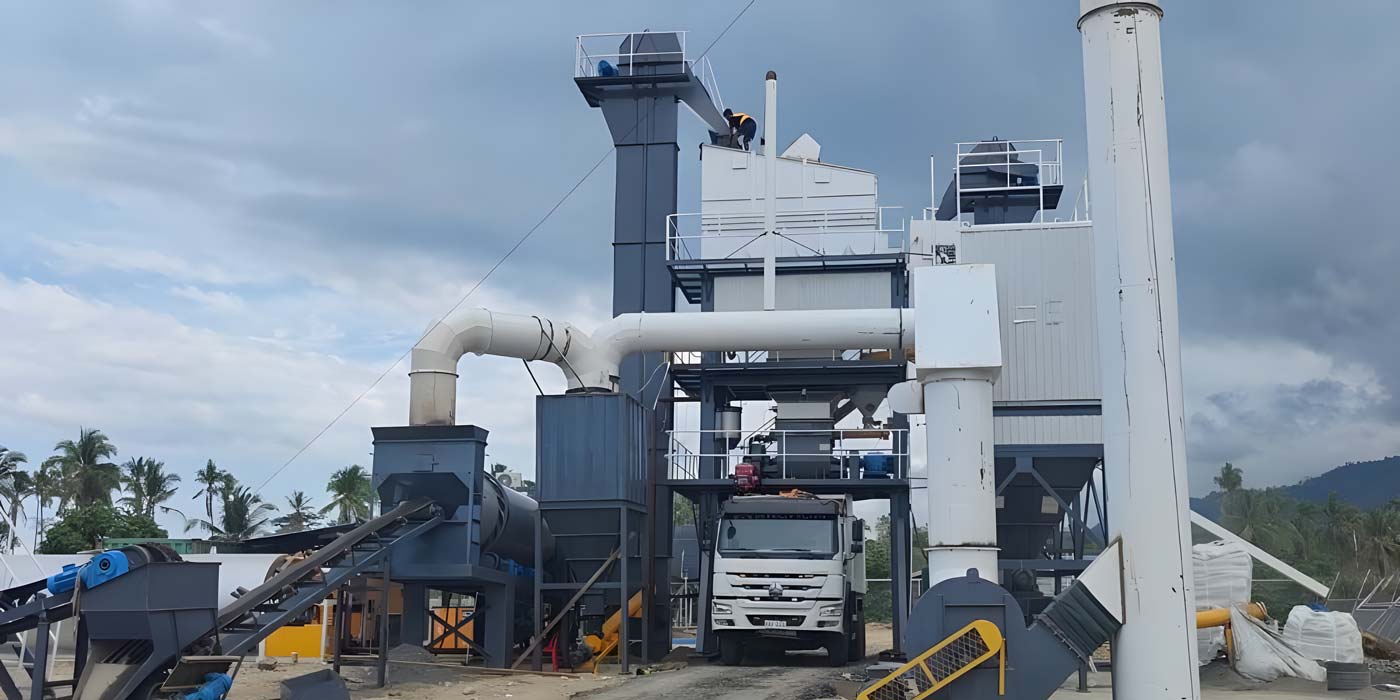
When A 40 TPH Asphalt Plant Is A Good Choice
After understanding the numbers, we can identify the situations where a 40 TPH plant is the right investment.
Ideal Project Conditions
A 40 TPH asphalt plant works well if:
• The project timeline is flexible (1–2 months for paving)
• The contractor handles small to medium road projects
• Budget control is a priority
• The project is in a rural or semi-urban area
• Daily asphalt demand is below 400 tons
In addition, for contractors focusing on standard paving work, investing in a hot mix plant for sale ensures consistent asphalt quality, which is critical for road durability and client satisfaction.
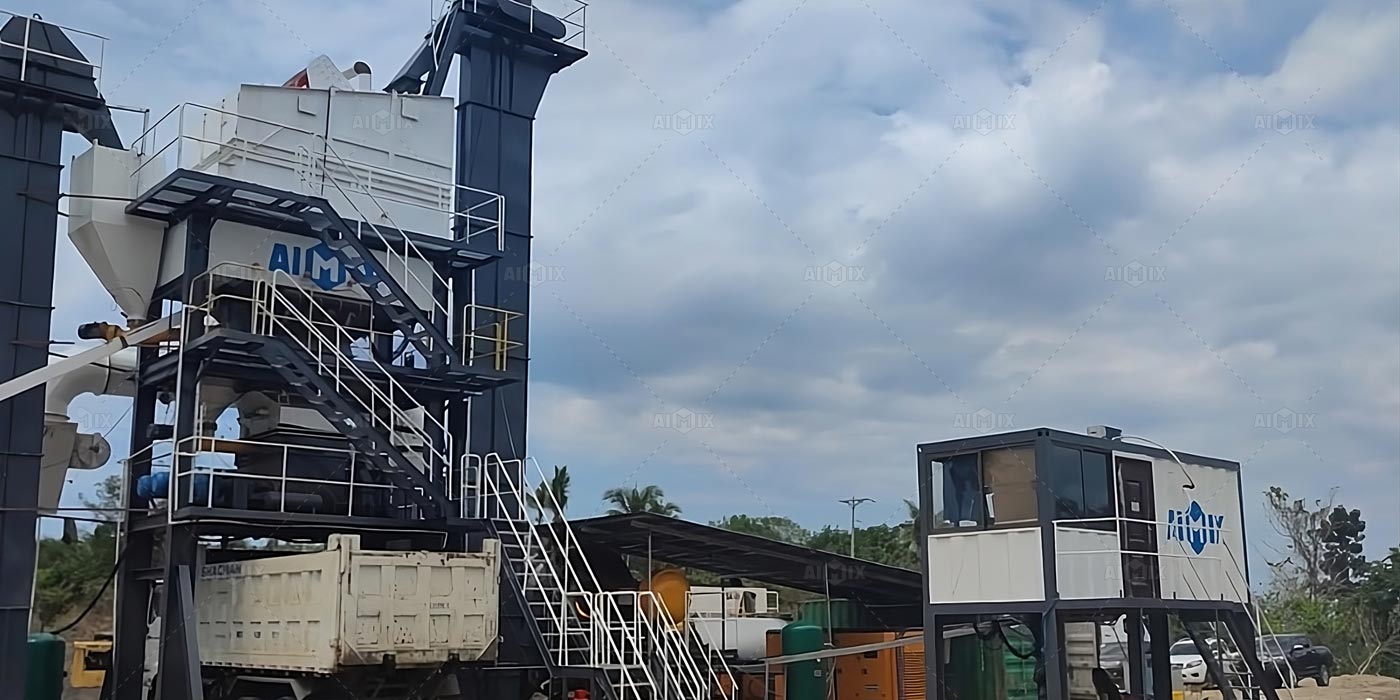
In Nigeria, many municipal road projects, rural access roads, and secondary highways fall into this category. For these projects, a 40 TPH plant offers a balanced solution between cost and productivity.
When You May Need A Higher Capacity Plant
However, not all projects allow a slower pace. In some cases, a 40 TPH plant may limit your efficiency.
Situations Requiring Larger Plants
You should consider a 60–120 TPH asphalt plant if:
• The project deadline is tight (less than 30 days)
• The road includes multiple layers (base, binder, wearing)
• You plan to supply asphalt to multiple sites
• The project involves highways or urban roads with heavy traffic
• You aim to scale your business in Nigeria’s infrastructure market
In fast-growing cities like Lagos or Abuja, contractors often prefer higher-capacity plants to meet aggressive timelines and large-scale demand.
Cost Vs Efficiency: What Contractors Should Consider
Choosing the right plant is not just about output. It is also about balancing cost, efficiency, and long-term return.
Let’s compare the practical advantages of a 40 TPH asphalt plant.
Advantages Of A 40 TPH Plant
• Lower initial investment
• Easier transportation and installation
• Lower fuel consumption
• Suitable for decentralized projects
• Reduced operational complexity
However, the trade-off is clear.
Limitations To Keep In Mind
• Slower project completion
• Limited scalability
• Higher cost per ton for large projects
• Less competitive for government tenders with tight deadlines
Therefore, contractors must align plant selection with their business strategy, not just one project.
Practical Recommendation For Nigerian Contractors
Based on real project data and field experience, here is a practical guideline.
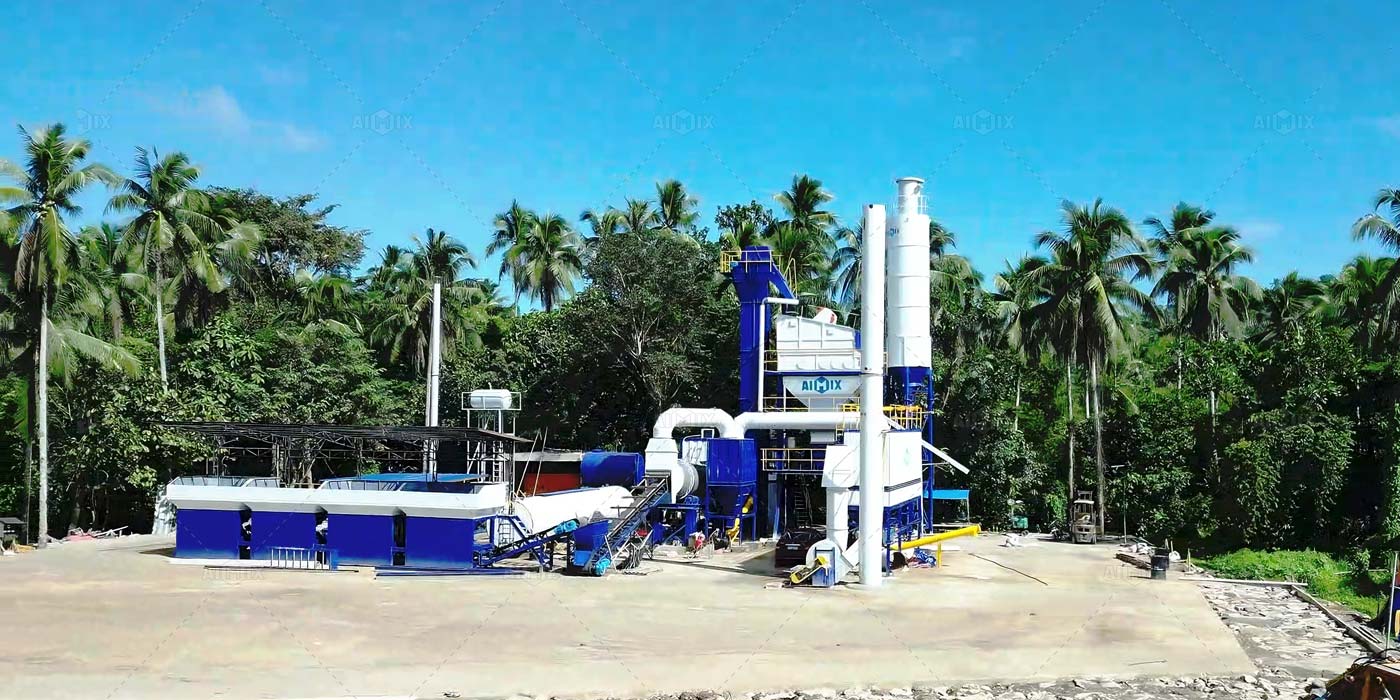
If your main focus is small to medium road construction projects, a 40 TPH asphalt plant is a smart and cost-effective choice. It allows you to control investment risk while maintaining steady production.
However, if you plan to bid for larger government infrastructure projects or handle multiple contracts at the same time, upgrading to a 60–80 TPH plant will improve your competitiveness.
In addition, consider future expansion. Many successful contractors in Nigeria start with a 40 TPH plant and later upgrade as their project portfolio grows.
Conclusion: Is A 40 TPH Asphalt Plant Enough?
To sum up, a 40 TPH asphalt plant is enough for a 10 km road construction project in Nigeria under the right conditions. It can deliver around 8,000 tons of asphalt within 30–45 working days.
However, the final decision depends on your project timeline, budget, and business goals. There is no one-size-fits-all answer, but there is always a best-fit solution.
If you want to choose the right asphalt plant for your specific project in Nigeria, it is important to evaluate your daily output needs, construction schedule, and long-term plans.
Get A Customized Asphalt Plant Solution
Every road project is different. That is why choosing the right asphalt plant requires more than just checking capacity numbers.
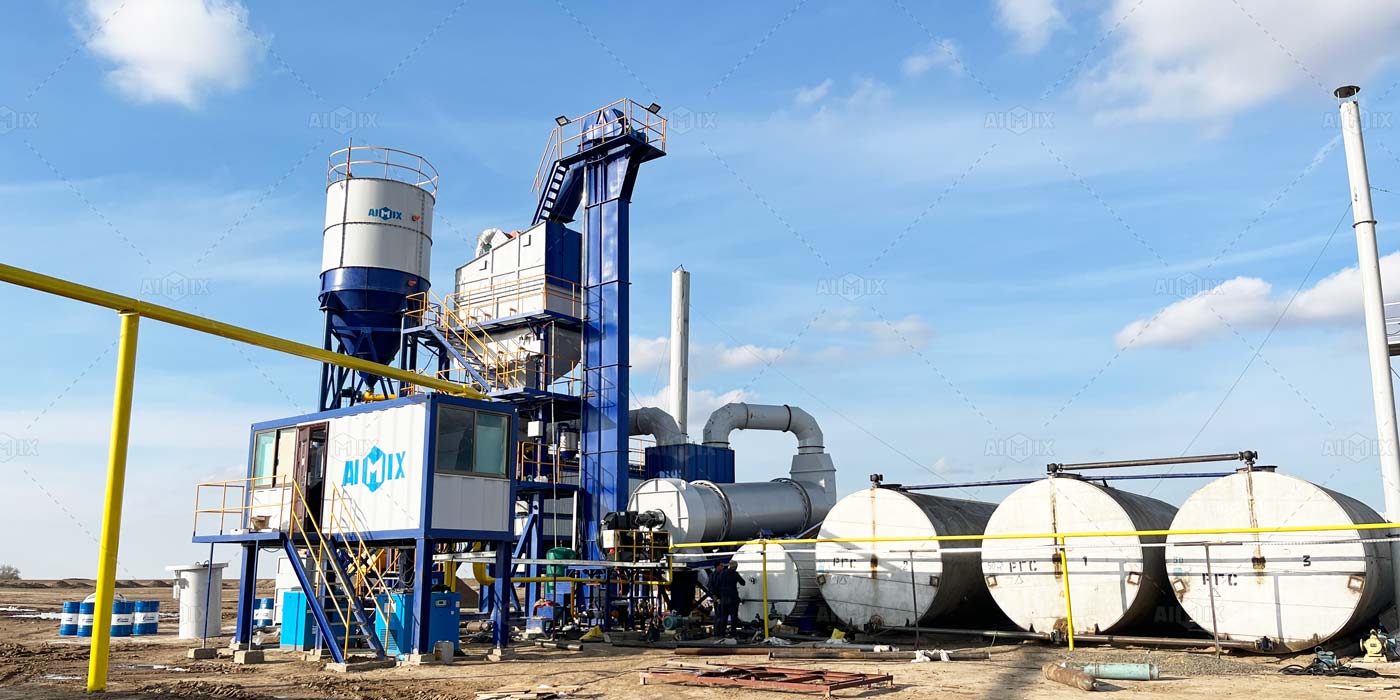
We can help you analyze your project conditions and recommend the most suitable asphalt plant model. Whether you need a 40 TPH plant for a rural road or a higher-capacity solution for highway construction, our team provides practical, data-driven advice.
Contact us today to get a customized solution for your next road project in Nigeria. Let’s help you complete your project efficiently, control your costs, and grow your business with confidence.