
The industrial landscape of aggregate production is undergoing a quiet yet consequential transformation. Aging limestone crusher plants, once the stalwarts of steady supply, now face mounting pressure from escalating demand, stricter environmental mandates, and the relentless pursuit of operational efficiency. Retrofitting these legacy systems is no longer a discretionary upgrade—it has become an operational imperative. Through targeted modernization, operators can rejuvenate existing infrastructure, extracting new value from old assets while aligning with contemporary performance expectations.
The Case for Retrofitting Legacy Limestone Crusher Plants
The contemporary aggregates market is defined by its unpredictability. Demand surges tied to infrastructure expansion, urbanization, and construction booms place immense strain on production facilities that were never designed for such intensity. Legacy limestone crusher plants, often built decades ago, operate under design assumptions that no longer reflect current realities. Their throughput ceilings, energy inefficiencies, and susceptibility to unplanned downtime render them increasingly obsolete in a high-demand environment.
Market pressures are not merely quantitative; they are qualitative. Customers now expect tighter gradation control, consistent product quality, and faster delivery cycles. These expectations expose the inherent rigidity of older systems. Mechanical wear, outdated control systems, and inefficient material flow configurations compound the problem, leading to bottlenecks that erode productivity.
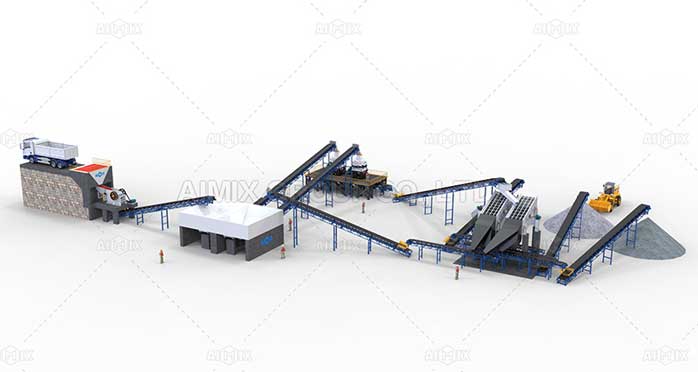
Equally significant are the limitations embedded in aging equipment. Components such as jaw crushers, cone crushers, and vibrating screens often suffer from diminished performance due to fatigue and outdated engineering. Their maintenance requirements escalate over time, creating a paradox where plants operate at reduced efficiency while incurring higher operational costs. Retrofitting addresses this paradox by selectively upgrading critical systems without necessitating a complete plant overhaul, thereby preserving capital while enhancing capability.
Core Modernization Strategies
Retrofitting is not a monolithic endeavor; it is a carefully orchestrated sequence of upgrades tailored to the plant’s existing configuration and operational goals. Mechanical and process improvements form the backbone of this transformation. Replacing worn-out aggregate crushers with high-efficiency models, upgrading liners with advanced wear-resistant materials, and reconfiguring material flow paths can dramatically enhance throughput. Even seemingly modest interventions—such as optimizing feeder systems or recalibrating screen decks—can yield disproportionate gains.
Process optimization extends beyond hardware. The integration of variable frequency drives (VFDs) allows for dynamic control of motor speeds, enabling operators to adapt to fluctuating load conditions with precision. This adaptability reduces energy consumption while maintaining optimal crushing performance. Furthermore, the introduction of modular components simplifies maintenance and reduces downtime, creating a more resilient operational framework.
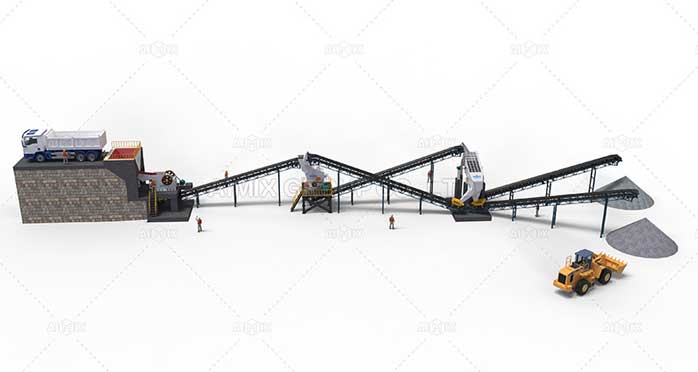
Digital integration represents the second pillar of modernization. Legacy plants often rely on analog controls and manual monitoring, which are inherently prone to human error and inefficiency. By incorporating advanced automation systems, operators gain real-time visibility into every facet of the production process. Sensors embedded throughout the plant collect data on vibration, temperature, throughput, and wear, feeding into centralized control systems that enable predictive maintenance.
Automation also facilitates a paradigm shift from reactive to proactive operations. Instead of responding to equipment failures, operators can anticipate and mitigate them. This predictive capability not only extends the lifespan of critical components but also ensures consistent production quality. In a market where downtime translates directly into lost revenue, such foresight is invaluable.
Operational and Environmental Gains
The benefits of retrofitting extend far beyond incremental improvements; they redefine the operational profile of the plant. Efficiency gains are often the most immediate and measurable outcome. Upgraded rock crushers and optimized material flow reduce energy consumption per ton of output, while automation minimizes waste and rework. These improvements coalesce into a leaner, more cost-effective operation.
Throughput enhancements are equally transformative. By eliminating bottlenecks and synchronizing the performance of various plant components, retrofitted systems can achieve production levels that rival those of newly constructed facilities. This capability allows operators to meet surging demand without the prohibitive costs associated with greenfield projects.
Cost optimization emerges as a natural consequence of these improvements. Reduced energy consumption, lower maintenance expenses, and minimized downtime collectively enhance the plant’s profitability. Moreover, the modular nature of many retrofitting solutions allows for phased implementation, enabling operators to distribute capital expenditures over time while still reaping immediate benefits.
Environmental considerations are increasingly central to industrial operations, and limestone crusher plants are no exception. Retrofitting offers a pragmatic pathway to sustainability. Dust suppression systems, improved enclosures, and advanced filtration technologies significantly reduce particulate emissions. Water recycling systems and energy-efficient equipment further diminish the plant’s environmental footprint.
Regulatory compliance, once a burdensome obligation, becomes a manageable aspect of operations. Modernized plants are better equipped to meet stringent environmental standards, avoiding penalties and fostering goodwill with regulators and local communities. This alignment with sustainability goals is not merely a compliance exercise; it enhances the plant’s long-term viability in an increasingly eco-conscious market.
Strategic Implementation and Long-Term Outlook
The success of any retrofitting initiative hinges on strategic planning and execution. A comprehensive audit of the existing plant is the essential first step. This assessment identifies critical weaknesses, evaluates the condition of equipment, and establishes a baseline for performance improvements. Armed with this data, operators can prioritize upgrades that deliver the highest return on investment.
Implementation must be meticulously coordinated to minimize disruption. Phased retrofitting, where upgrades are executed in stages, allows the plant to remain operational while improvements are underway. This approach requires careful scheduling and robust contingency planning, but it ensures continuity of production—a critical consideration in high-demand markets.
Equally important is the cultivation of a skilled workforce capable of operating and maintaining modernized systems. Training programs and knowledge transfer initiatives bridge the gap between legacy practices and advanced technologies. Without this human element, even the most sophisticated upgrades risk underutilization.
Looking ahead, the trajectory of limestone crusher plant modernization is unequivocally upward. Advances in artificial intelligence, machine learning, and remote monitoring promise to further enhance operational efficiency and predictive capabilities. Retrofitted plants, already equipped with digital infrastructure, are well-positioned to integrate these emerging technologies, ensuring their relevance in a rapidly evolving industrial landscape.
The precision and adaptability achieved through retrofitting redefine what is possible within the constraints of existing infrastructure. Legacy plants, once perceived as liabilities, can be transformed into agile, high-performance assets. In doing so, they not only meet the demands of today’s market but also lay the groundwork for sustained competitiveness in the future.