
Gantry cranes are widely used in industries such as manufacturing, construction, shipbuilding, logistics, rail freight handling, mining, and precast concrete production. They are designed to lift and transport heavy materials efficiently across indoor and outdoor working environments. However, when companies begin planning a gantry crane investment, one of the first questions they ask is: why do gantry crane costs vary so much?
The price difference between two gantry cranes with similar lifting capacities can sometimes be surprisingly large. A standard 10 ton gantry crane may cost significantly less than a customized version with the same rated capacity. Likewise, heavy duty gantry cranes used in shipyards or railway applications can reach much higher price levels due to engineering complexity and environmental requirements.
Understanding the major factors that influence gantry crane pricing helps buyers make more informed purchasing decisions and avoid unexpected project costs. Below are seven critical factors that directly drive up gantry crane costs and explain why some systems require much larger investments than others.
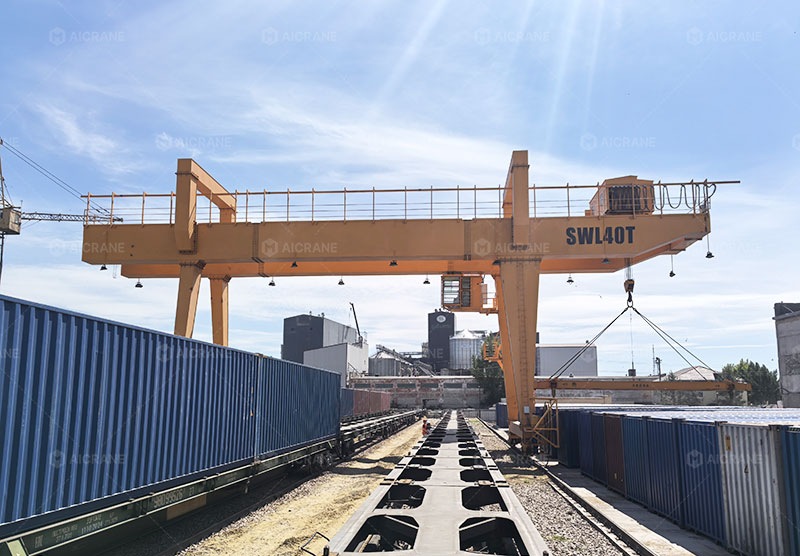
Lifting Capacity Requirements
One of the most important factors affecting gantry crane cost is lifting capacity. In general, the higher the lifting capacity, the more expensive the crane becomes.
A crane designed to lift 5 tons requires significantly less structural strength than a crane built for 50 tons or 100 tons. As capacity increases, manufacturers must use:
- Thicker steel plates
- Larger girders
- Stronger wheel assemblies
- Higher capacity hoists
- More powerful motors
- Reinforced support structures
Higher capacity cranes also require more advanced engineering calculations to ensure stability, load distribution, and long-term durability under repeated heavy lifting operations.
For example, a light duty single girder gantry crane used in a warehouse may use relatively simple structural components. In contrast, a double girder gantry crane handling steel coils, precast concrete beams, or ship sections requires much stronger materials and more sophisticated fabrication processes.
Heavy duty cranes operating at 100 tons or above may also require finite element analysis (FEA), specialized welding procedures, and additional load testing, all of which increase production costs.
Span Length and Lifting Height
The crane span refers to the horizontal distance between the two supporting legs, while lifting height refers to the maximum vertical travel distance of the hoist.
Both dimensions play a major role in determining total crane cost.
Longer Span Means Higher Structural Costs
As the span increases, the main girder experiences greater bending forces. To maintain structural stability, manufacturers must strengthen the girder design using:
- Larger beam sections
- Additional stiffeners
- Higher-grade steel
- Reinforced connections
A gantry crane with a 30-meter span is much more expensive than one with a 10-meter span because the structure must resist larger deflection and dynamic loads.
Long spans may also require:
- Advanced anti-sway systems
- Stronger traveling mechanisms
- Enhanced wheel load distribution
Greater Lifting Height Increases Mechanical Complexity
Higher lifting heights require:
- Longer wire ropes
- Larger hoist drums
- More powerful hoisting motors
- Enhanced braking systems
Applications such as container handling, shipbuilding, or hydropower construction often require substantial lifting heights, increasing the overall system cost.
In outdoor environments, taller gantry cranes must also withstand stronger wind loads, requiring additional structural reinforcement.
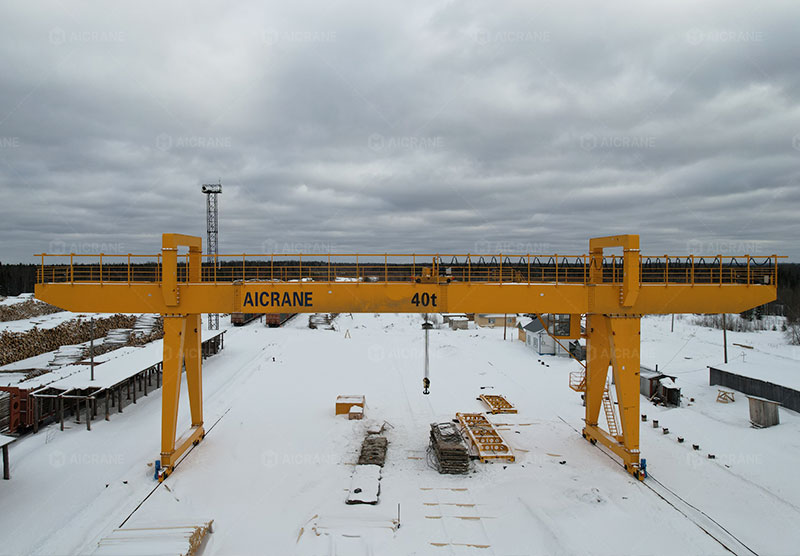
Crane Duty Classification and Working Frequency
Not all gantry cranes operate under the same workload conditions. Duty classification significantly affects crane pricing because it determines how intensively the crane will be used.
A crane working occasionally in a maintenance workshop experiences far less wear than a crane operating continuously in a steel mill or container yard.
Common duty classifications include:
- Light duty
- Medium duty
- Heavy duty
- Severe duty
Higher duty cycles require more durable components, including:
- Industrial-grade motors
- Heavy-duty gearboxes
- High-performance brakes
- Stronger bearings
- Enhanced electrical systems
For example, an A3-duty gantry crane used intermittently may have relatively low operating demands. Meanwhile, an A7 or A8 heavy duty gantry crane operating continuously in a port or steel processing facility requires premium components capable of handling constant high-load operation.
These higher-grade systems naturally increase manufacturing and maintenance costs.
Customization and Non-Standard Design Requirements
Standard gantry cranes are generally more affordable because manufacturers can produce them using established designs and standardized components. However, many industrial projects require customized crane solutions, which substantially increase costs.
Customization may include:
- Special spans or lifting heights
- Non-standard lifting capacities
- Explosion-proof configurations
- Corrosion-resistant designs
- High-temperature operation capability
- Automated control systems
- Rotating spreaders
- Dual trolley configurations
- Cantilever extensions
For example, gantry cranes used in:
- Marine environments
- Chemical plants
- Offshore projects
- Tunneling operations
- Precast concrete production
often require highly specialized engineering solutions.
Custom engineering increases costs because manufacturers must:
- Develop unique drawings
- Perform additional calculations
- Source specialized components
- Conduct customized testing
- Modify fabrication processes
In some cases, even transportation and installation methods must be redesigned to accommodate unusual project conditions.
Material Quality and Steel Prices
Steel is one of the largest cost components in gantry crane manufacturing. Fluctuations in global steel prices directly affect crane pricing.
In addition to raw material pricing, the quality of steel selected also impacts total cost.
Higher-quality steel offers:
- Better fatigue resistance
- Improved structural stability
- Greater corrosion resistance
- Longer service life
Many modern gantry cranes use high-strength structural steel such as Q355B or equivalent international grades to improve performance while reducing structural weight.
However, premium steel materials cost more than lower-grade alternatives.
Additional Material-Related Cost Factors
Other material-related factors include:
- Anti-corrosion coatings
- Galvanizing treatments
- Marine-grade paint systems
- Stainless steel components
- Weather-resistant electrical enclosures
For outdoor cranes operating in ports, shipyards, or coastal regions, advanced anti-corrosion protection is essential to prevent premature structural deterioration. These protective systems increase both manufacturing and long-term maintenance costs.
Electrical and Automation Systems
Modern gantry cranes increasingly rely on advanced electrical and automation technologies to improve operational efficiency and safety. While these features provide major benefits, they also increase crane costs.
Advanced systems may include:
- PLC control systems
- Variable frequency drives (VFD)
- Remote control operation
- Anti-sway technology
- GPS positioning
- Automated container handling
- Collision avoidance systems
- Real-time monitoring systems
- Load display systems
Automation is especially common in:
- Container terminals
- Smart factories
- Automated warehouses
- Steel plants
- Large logistics centers
Although these technologies improve productivity and reduce labor costs, they significantly increase initial investment.
High-End Components Raise System Costs
Premium electrical components from internationally recognized brands often cost more but provide:
- Higher reliability
- Better energy efficiency
- Longer operational life
- Easier maintenance
- Improved spare parts availability
In contrast, lower-cost electrical systems may reduce initial investment but increase long-term maintenance risks.
Transportation, Installation, and Site Conditions
Many buyers focus only on crane manufacturing costs and overlook transportation and installation expenses, which can become substantial for large gantry crane projects.
Transportation Costs
Large gantry crane components often require:
- Oversized trucking
- Specialized trailers
- Port shipping
- Heavy lifting equipment
- Escort vehicles
Export projects involving international transportation can significantly increase overall project expenses.
Heavy duty double girder gantry cranes may require:
- Multiple shipping containers
- Breakbulk cargo transportation
- On-site assembly equipment
Installation Complexity
Installation costs depend heavily on:
- Site accessibility
- Foundation conditions
- Rail alignment
- Local labor costs
- Installation height
- Available lifting equipment
Projects in remote mining areas, mountainous regions, or offshore environments often face additional logistical challenges.
Ground and Rail Requirements
Rail mounted gantry cranes require precise rail installation and foundation preparation. Poor ground conditions may require:
- Soil reinforcement
- Concrete foundation upgrades
- Additional structural support
These civil engineering costs can substantially increase the total project budget.
Long-Term After-Sales Service and Support
The initial purchase price is not the only cost buyers should consider. Long-term after-sales service also influences total ownership cost.
Reliable gantry crane suppliers typically provide:
- Installation guidance
- Operator training
- Spare parts support
- Technical troubleshooting
- Preventive maintenance programs
- Remote diagnostic services
High-quality after-sales support may increase the upfront crane price, but it often reduces downtime and maintenance expenses over the crane’s operational life.
Industrial users operating in demanding environments usually prioritize suppliers with strong global service capabilities, especially for mission-critical lifting operations.
Conclusion
Gantry crane costs are influenced by far more than just lifting capacity. Factors such as span length, lifting height, duty classification, customization requirements, material quality, automation systems, transportation logistics, and after-sales support all play critical roles in determining the final price.
Understanding these seven critical cost drivers helps buyers evaluate crane quotations more accurately and avoid selecting equipment based solely on the lowest initial price.
In many industrial applications, investing in a higher-quality gantry crane can deliver better long-term value through improved reliability, higher efficiency, lower maintenance requirements, and longer service life. Careful planning and selecting the right crane configuration for the intended application are essential steps toward maximizing return on investment and ensuring safe, efficient material handling operations for years to come.