
Scouting a qualified asphalt plant supplier for regional rural roads construction networks without verifying that compact mini asphalt plant configurations include a genuinely transportable, rapid-setup cold feed layout is building a project budget on an assumption that site preparation costs will reliably contradict. The mini hot mix plant cost figure that appears competitive at quotation stage frequently excludes the foundation preparation, levelling civil works, and auxiliary equipment sourcing that remote unpaved terrain deployments require before the first aggregate load enters the cold bins. Identifying where the baseline price ends and the hidden site preparation costs begin is the procurement discipline that protects rural roads construction budgets from post-commitment inflation.
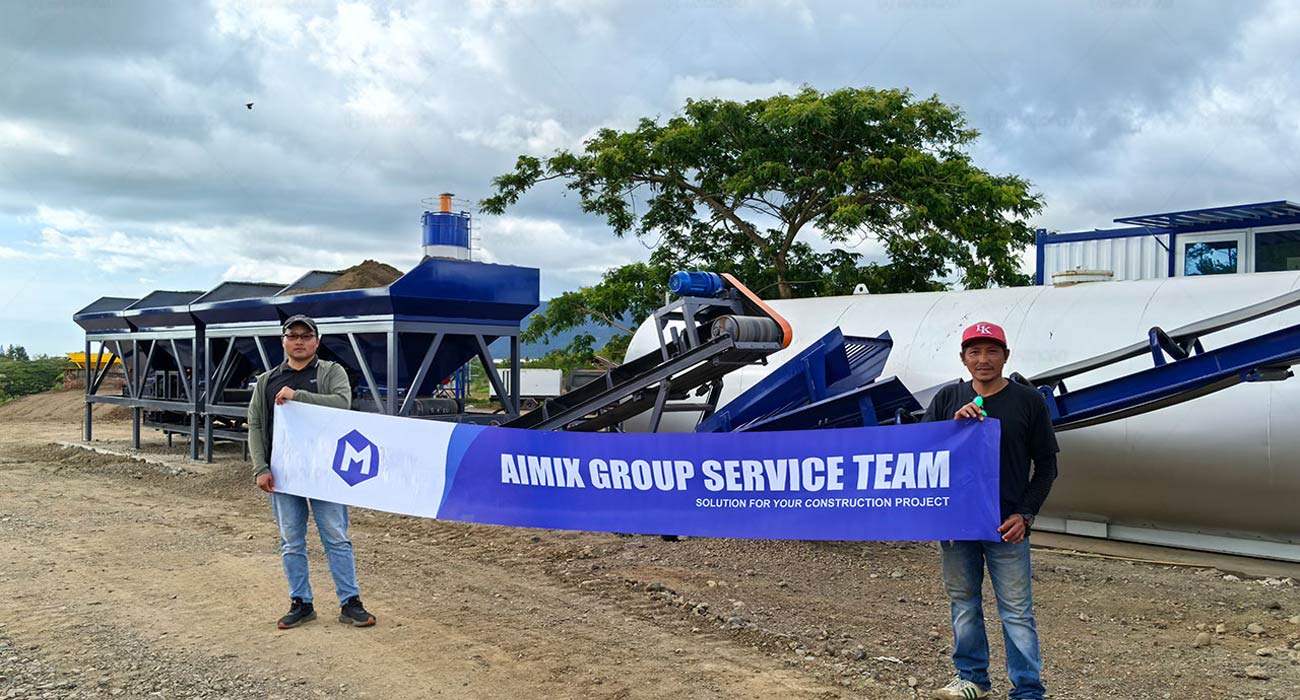
Why Mini Hot Mix Plant Cost Comparisons Miss Rural Deployment Variables
Asphalt plant supplier configurations priced for regional contract competitiveness structure baseline quotes around primary production equipment — cold feed bins, drying drum, control cabin, and mixing system — without itemizing site preparation requirements that vary dramatically between paved urban installation environments and remote unpaved rural roads construction terrain. Ground levelling scope, drainage preparation, temporary hardstand construction, and generator foundation works are the civil cost categories most consistently absent from competitive mini asphalt plant baseline pricing.
A contractor who accepts the baseline mini hot mix plant cost without auditing site preparation requirements commits to a capital expenditure that expands once mobilization planning begins against the actual terrain conditions of a rural roads construction corridor. The expansion is predictable in category if not in exact magnitude — and suppliers who cannot provide site preparation requirement documentation against your specific subgrade conditions during the quotation stage are structuring a price that defers cost discovery until commitment has already been made.
Request a complete site requirement specification from every asphalt plant supplier under evaluation, identifying ground bearing capacity requirements, levelling tolerance, drainage provisions, and access road width minimums. Suppliers who produce this documentation without prompting have genuinely engineered their mini asphalt plant for rural deployment as a primary design consideration.
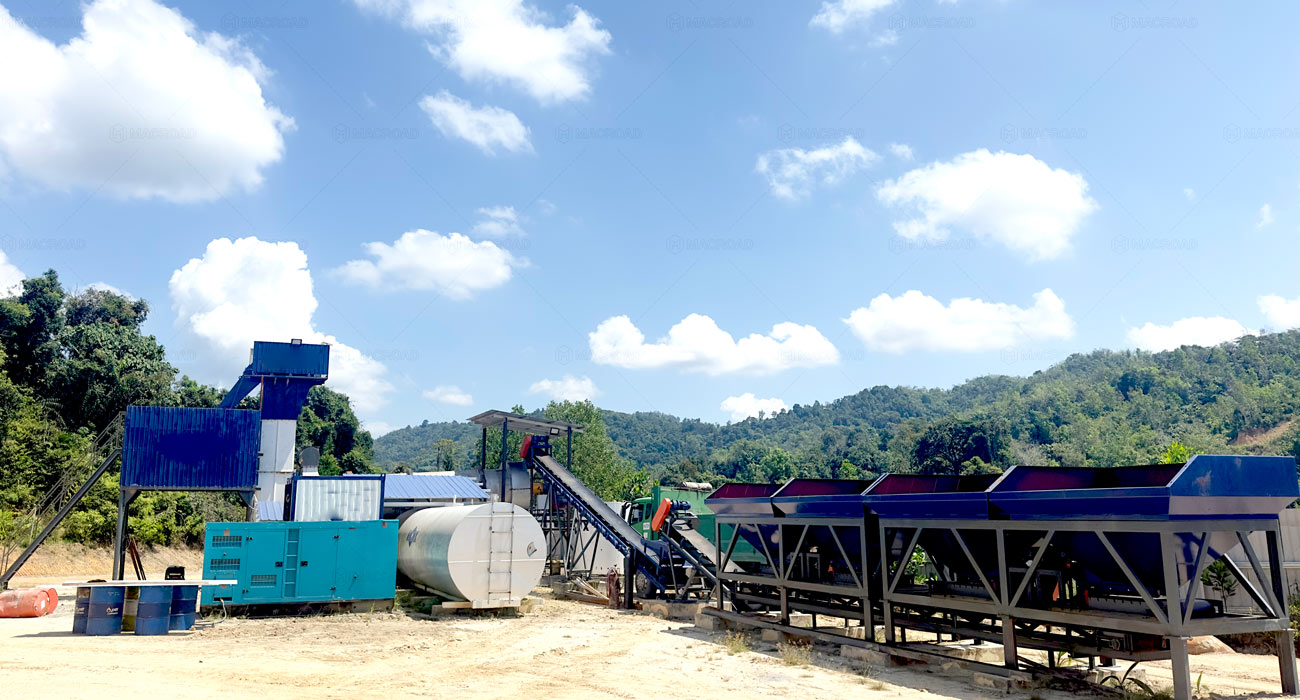
Modular Cold Feed Layout and Rapid Setup on Unpaved Terrain
A mini asphalt plant cold feed layout engineered for rural roads construction rapid deployment configures each bin module as an independently transportable unit that connects to adjacent bins through bolted flange interfaces rather than welded site assembly. This modularity allows a small site crew to erect the cold feed system on unpaved terrain using the plant’s own hydraulic lifting capability without crane rental — reducing setup time and eliminating the crane access requirement that remote rural sites frequently cannot accommodate without significant ground preparation.
Wide-flange outrigger base frames on each cold feed bin module distribute bin and aggregate load across a ground contact area sufficient for unpaved terrain bearing capacity without requiring poured concrete footings. Adjustable levelling jacks at each outrigger point compensate for natural terrain gradient variations that rural sites present between module positions — allowing the cold feed layout to achieve operational level without earthmoving equipment intervention that would inflate mini hot mix plant cost beyond the baseline figure.
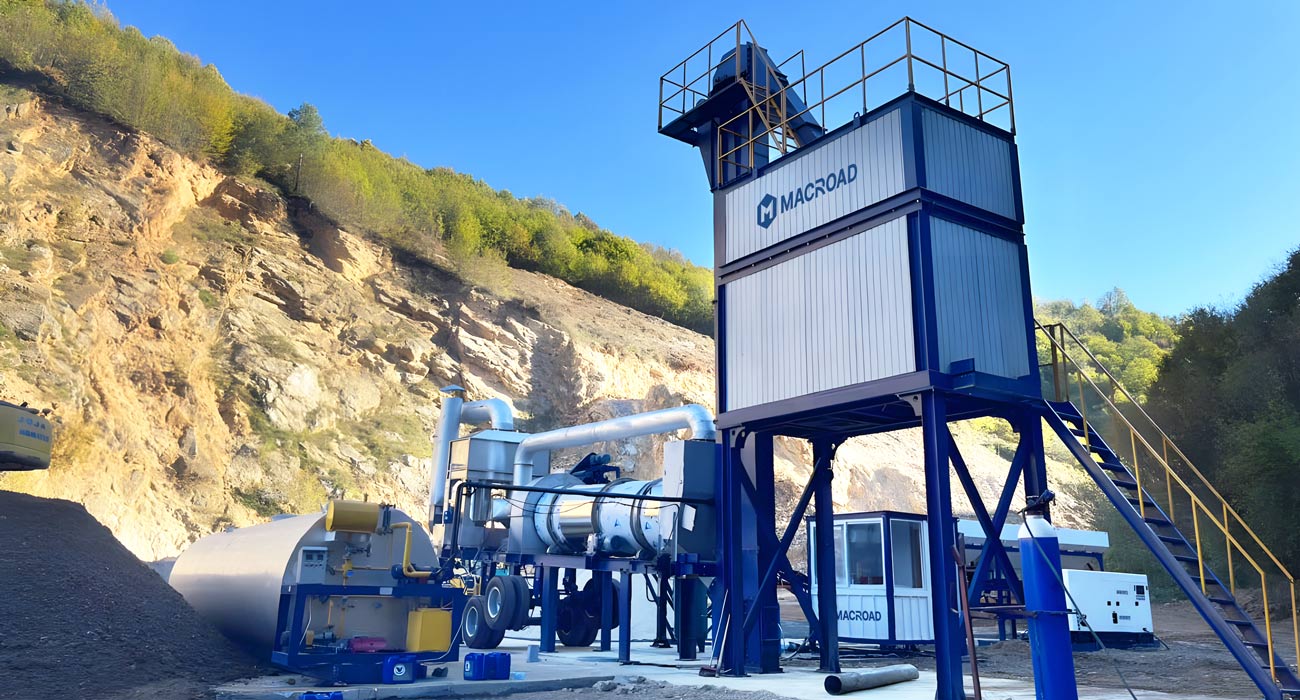
Asphalt Plant Supplier Support Infrastructure for Continuous Rural Operations
Continuous rural roads construction operations expose mini asphalt plant configurations to maintenance and support conditions that urban project deployments never generate at equivalent severity. Spare parts availability, technical support response time, and the supplier’s familiarity with remote site logistics are operational variables that mini hot mix plant cost comparisons between competing asphalt plant supplier options never quantify but that rural contract profitability depends on across a multi-month corridor project.
An asphalt plant supplier with established regional presence or documented rural roads construction deployment experience provides support infrastructure that offshore-only suppliers cannot replicate at equivalent response speed. Parts lead times measured in weeks rather than days, and technician mobilization costs to remote sites, represent ongoing operational cost additions to the initial mini hot mix plant cost that accumulate across every unplanned maintenance event during a rural contract.
Conclusion
Selecting an asphalt plant supplier for rural roads construction requires confirming modular cold feed transportability, outrigger base frame bearing capacity on unpaved terrain, complete site preparation requirement documentation, and regional support infrastructure — because the mini hot mix plant cost that accurately represents total rural deployment investment is only calculated when every hidden site preparation and ongoing support variable has been captured before the purchase commitment is made.