
Peru’s construction sector is growing rapidly, but so is its generation of demolition and construction waste. Traditional disposal methods—landfills and illegal dumping—are becoming environmentally and economically unsustainable. Recycled aggregates from concrete waste offer a powerful alternative. However, successfully integrating these materials requires concrete batching plants to adapt their design, configuration, and operational workflows. This article explores current recycled aggregate trends and provides practical guidance for Peruvian contractors, including how to select a concrete plant for sale(planta de hormigón en venta) that can handle recycled feedstocks, the role of mobile concrete plants in decentralized recycling, and adjustments for ready mix concrete plant operations.
The Rising Demand for Recycled Aggregates in Peru
Lima generates over 1,500 tons of construction waste daily, with similar trends in Arequipa, Trujillo, and Cusco. New municipal regulations increasingly mandate that large projects recycle at least 15–20% of inert waste. Recycled aggregates—crushed old concrete, masonry, and asphalt—can replace natural aggregates in non-structural concrete, base layers, and low-grade applications. Yet adoption remains limited because many local concrete batching plants are not designed to handle the variable moisture, particle shape, and contamination levels of recycled material. This gap represents both a challenge and an opportunity for plant owners.
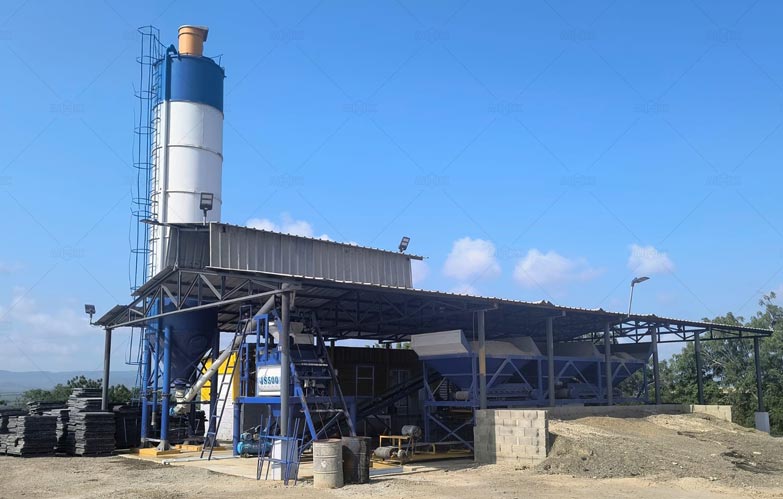
Key Adaptations for Concrete Batching Plants Processing Recycled Aggregates
Standard concrete batching plants(dosificadora de concreto) assume consistent, dry, clean natural aggregates. Recycled aggregates require several modifications:
- Additional screening and washing stages to remove fines and contaminants.
- Higher-capacity moisture sensors because recycled material absorbs more water.
- Dedicated storage bins to prevent cross-contamination with natural aggregates.
- Modified mix designs with adjusted water-cement ratios to maintain strength.
When evaluating a concrete plant for sale, buyers in Peru should ask if the plant can accept a separate recycled aggregate feed line. Many standard concrete plant for sale listings do not include this capability, but it can be retrofitted.
Mobile Concrete Plants: A Strategic Fit for Decentralized Recycling
Recycled aggregate projects are often location-specific—a demolition site in one district, a new housing project in another. Mobile concrete plants offer an ideal solution. Unlike fixed ready mix concrete plant installations, mobile concrete plants can be moved close to demolition sites, process waste on location, and produce fresh concrete for nearby rebuilding projects. This reduces transport costs for both waste removal and aggregate delivery. Several municipalities in Peru’s Lima Metropolitan Area are piloting mobile concrete plants for small-scale recycling. For contractors seeking a concrete plant for sale that prioritizes flexibility, mobile concrete plants with dual aggregate feed systems are particularly valuable.
Adapting Ready Mix Concrete Plant Operations for Recycled Content
Traditional ready mix concrete plant(Planta de concreto premezclado tradicional) models rely on high-volume, consistent output. Adding recycled aggregates introduces variability. Successful ready mix concrete plant operators in Peru are adopting:
- Batch-by-batch moisture compensation using real-time sensors.
- Slump adjustment protocols specifically for recycled aggregate mixes.
- Separate silos for cementitious materials that work with slower-setting recycled concrete.
One ready mix concrete plant in Arequipa reported a 12% reduction in natural aggregate costs after switching to 25% recycled content in non-structural concrete, without compromising delivery schedules. The key was training batch operators to recognize the different handling characteristics of recycled materials.
Choosing the Right Concrete Plant for Sale for Peruvian Recycled Aggregate Needs
Not every concrete plant for sale is suitable. When searching for a concrete plant for sale for recycled aggregate applications, prioritize:
- Modular bin configuration (minimum 4 bins: natural coarse, natural fine, recycled coarse, recycled fine).
- High-frequency vibration screens to separate dust from recycled feed.
- Water spray nozzles for pre-wetting dry recycled stockpiles.
- Control software that allows custom mix designs with variable recycled percentages.
Some sellers offer used concrete plant for sale units from European or Japanese markets that already include these features, often at 40–50% of new price. However, buyers must verify compatibility with Peru’s 220V/60Hz electrical standard and availability of spare parts.
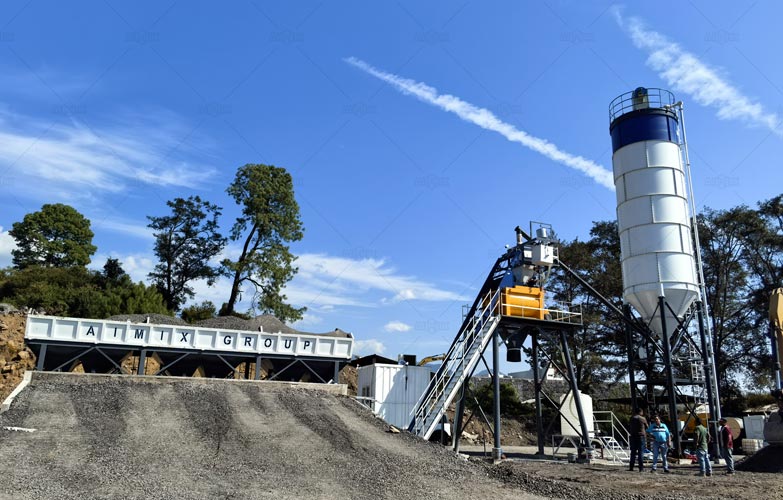
Operational Workflows: From Waste to Concrete
Adapting concrete batching plants to recycled aggregates is not just hardware; it requires new workflows. A typical process for a mobile concrete plants setup(instalación de plantas hormigoneras móviles) includes:
- On-site crushing of demolition waste using portable crushers.
- Magnetic separation to remove rebar and metal.
- Feed into the concrete plant for sale’s recycled aggregate bin.
- Moisture testing every 30 minutes due to higher absorption variability.
- Batching with adjusted water content and extended mixing time (60–90 seconds instead of 45).
Operators of ready mix concrete plant facilities that adopt this workflow often see lower material costs and can offer environmentally certified concrete, which attracts government and LEED-focused private clients.
Economic and Regulatory Drivers in Peru
Peru’s Ministry of Environment (MINAM) is gradually tightening construction waste disposal rules. Projects that use recycled aggregates may qualify for tax incentives or faster permitting. Additionally, natural aggregate prices in coastal Peru have risen 18% in two years due to quarry restrictions. For a concrete batching plant that can substitute even 20% recycled content, the savings on natural aggregate alone can offset equipment modification costs within 12–18 months. Contractors who invest early in mobile concrete plants or retrofit their ready mix concrete plant for recycling will gain a competitive edge as regulations become stricter.
The trend toward recycled aggregate use in Peru is no longer speculative—it is an operational reality. Concrete batching plants that fail to adapt will face rising raw material costs and potential regulatory penalties. Those that invest in appropriate configurations—whether a versatile concrete plant for sale, a fleet of mobile concrete plants, or a modified ready mix concrete plant—will turn construction waste into a profit center. The question is not whether Peru will adopt recycled aggregates, but how quickly plant owners can respond. Adaptation starts with rethinking the concrete batching plant not as a fixed producer, but as a flexible recycler.