
Malaysia’s construction sector operates within a climate of relentless timelines, where monsoon seasons, urban congestion, and contractual penalty clauses converge to create immense scheduling pressure. Project managers across Kuala Lumpur, Johor Bahru, and Penang increasingly find themselves searching for ways to compress production timelines without sacrificing structural quality. Portable concrete plants for sale have emerged as a transformative solution, offering on-site batching capabilities that eliminate many traditional bottlenecks associated with ready-mix delivery dependencies.
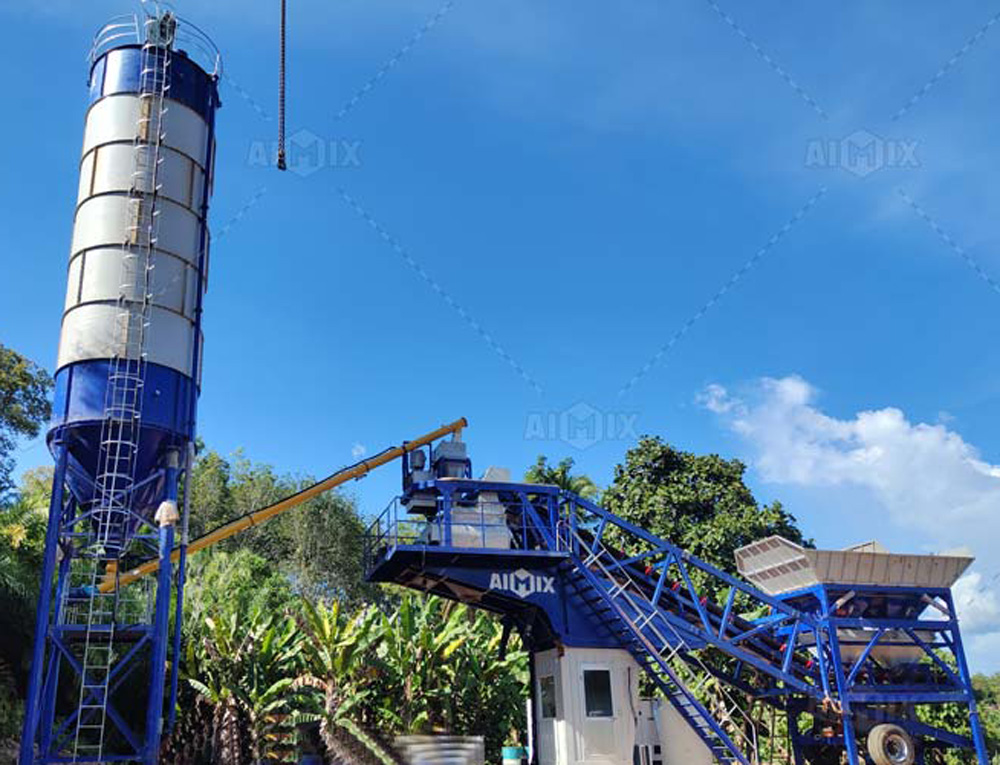
Eliminating Transportation Delays Through On-Site Batching
Traditional construction workflows rely heavily on ready-mix trucks navigating Malaysia’s notoriously congested highways, particularly around metropolitan hubs where traffic gridlock can transform a thirty-minute journey into an unpredictable two-hour ordeal. Portable concrete batching plant Malaysia circumvent this logistical vulnerability entirely by establishing production capacity directly within the project perimeter.
Reducing Dependency on External Supply Chains
When concrete is batched on-site, the entire supply chain compresses into a localized ecosystem. Aggregate stockpiles, cement silos, and water tanks remain within meters of the pour location, eliminating the temporal buffer typically required to accommodate transit unpredictability. This proximity advantage proves especially valuable during foundation works and slab pours, where consistent material flow directly correlates with finishing quality and joint placement accuracy.
Mitigating Weather-Related Transit Interruptions
Malaysia’s tropical climate brings sudden, intense downpours that can render roads impassable or significantly slow delivery vehicles carrying time-sensitive ready-mix loads. Concrete that arrives beyond its workable window often requires rejection, causing costly delays and material wastage. Portable plants sidestep this vulnerability by producing fresh batches precisely when needed, regardless of external road conditions or sudden meteorological shifts affecting transport corridors.
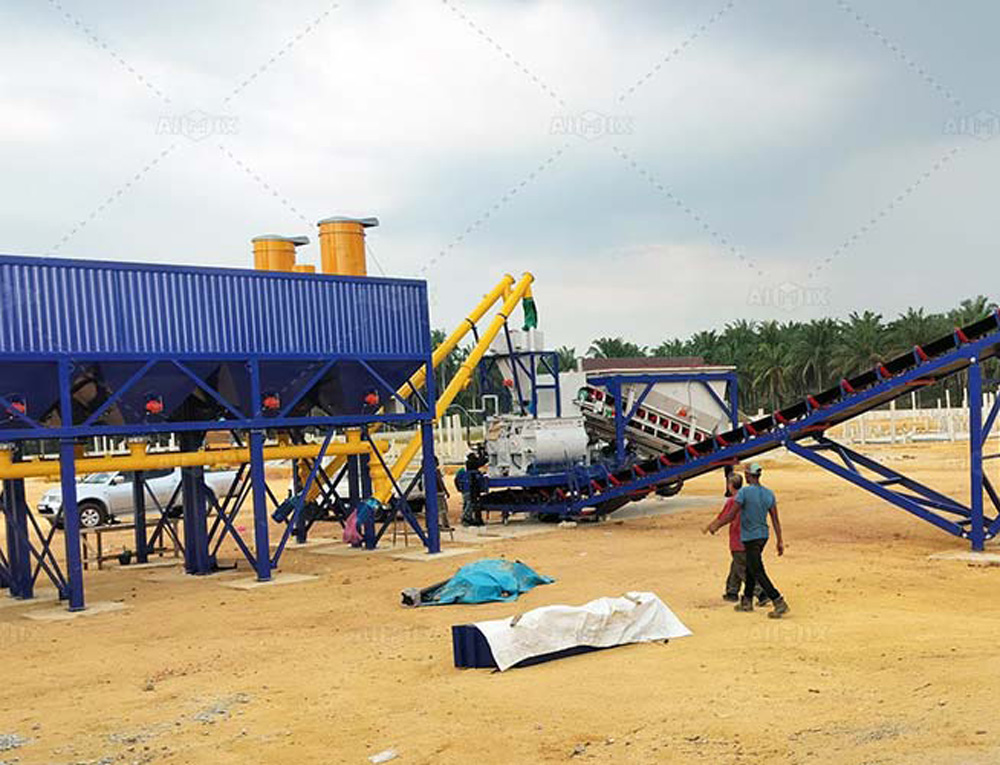
Accelerating Production Cycles with Continuous Batching Capability
Beyond eliminating transit-related delays, portable concrete plants fundamentally restructure how production cycles align with construction sequencing. The ability to initiate batching operations at any hour, without coordinating with external supplier schedules, grants project teams unprecedented flexibility in managing labor deployment and equipment utilization.
Enabling Round-the-Clock Pour Scheduling
Large-scale infrastructure projects—particularly those involving continuous pours for elevated structures or mass concrete foundations—benefit enormously from uninterrupted batching capability. The mobile concrete batch plant for sale allows contractors to schedule pours during cooler nighttime hours, reducing thermal cracking risks while simultaneously avoiding daytime traffic congestion that might otherwise delay material delivery. This scheduling autonomy becomes particularly valuable when working against monsoon-season windows, where every available dry hour carries amplified importance.
Streamlining Multi-Phase Construction Sequencing
Complex projects often involve overlapping activities—formwork installation, reinforcement placement, and concrete pours occurring in tight succession across different building zones. Portable plants enable rapid mix adjustments between batches, accommodating varying specifications for different structural elements without the lead-time penalties associated with ordering distinct mix designs from external suppliers. This adaptability allows construction sequences to proceed with minimal idle time between dependent activities.
Optimizing Resource Allocation for Remote and Constrained Sites
Many Malaysian construction projects, particularly those situated in East Malaysia or rural peninsular regions, contend with limited access to established ready-mix suppliers. Portable concrete plants address this geographical disadvantage by transforming previously inaccessible locations into viable construction zones with self-sufficient production capabilities.
Serving Geographically Isolated Project Locations
Infrastructure development in Sabah, Sarawak, or interior regions of the peninsula often encounters a fundamental supply problem: the nearest ready-mix facility may sit hours away via winding, single-lane roads. Mobilizing a portable small concrete batch plant directly to these sites resolves the accessibility conundrum, allowing projects to proceed without the prohibitive costs and delays associated with long-distance concrete transport, where setting time constraints would render most deliveries unusable upon arrival.
Minimizing Material Wastage Through Demand-Matched Production
Ordering pre-mixed concrete in bulk often results in surplus material when pour volumes don’t align precisely with delivery truck capacities, leading to wasted product and disposal complications. Portable plants allow operators to calibrate batch sizes according to immediate requirements, producing exactly the volume needed for each pour segment. This precision not only reduces material costs but also minimizes the environmental footprint associated with excess concrete disposal—an increasingly relevant consideration as Malaysian authorities tighten construction waste regulations.
As Malaysia’s construction landscape continues evolving under pressure from rapid urbanization and ambitious infrastructure targets, portable concrete plants represent a strategic asset for contractors navigating compressed timelines. Their capacity to eliminate transit dependencies, enable flexible scheduling, and serve remote locations positions them as indispensable tools for projects where deadline adherence directly impacts contractual and financial outcomes.