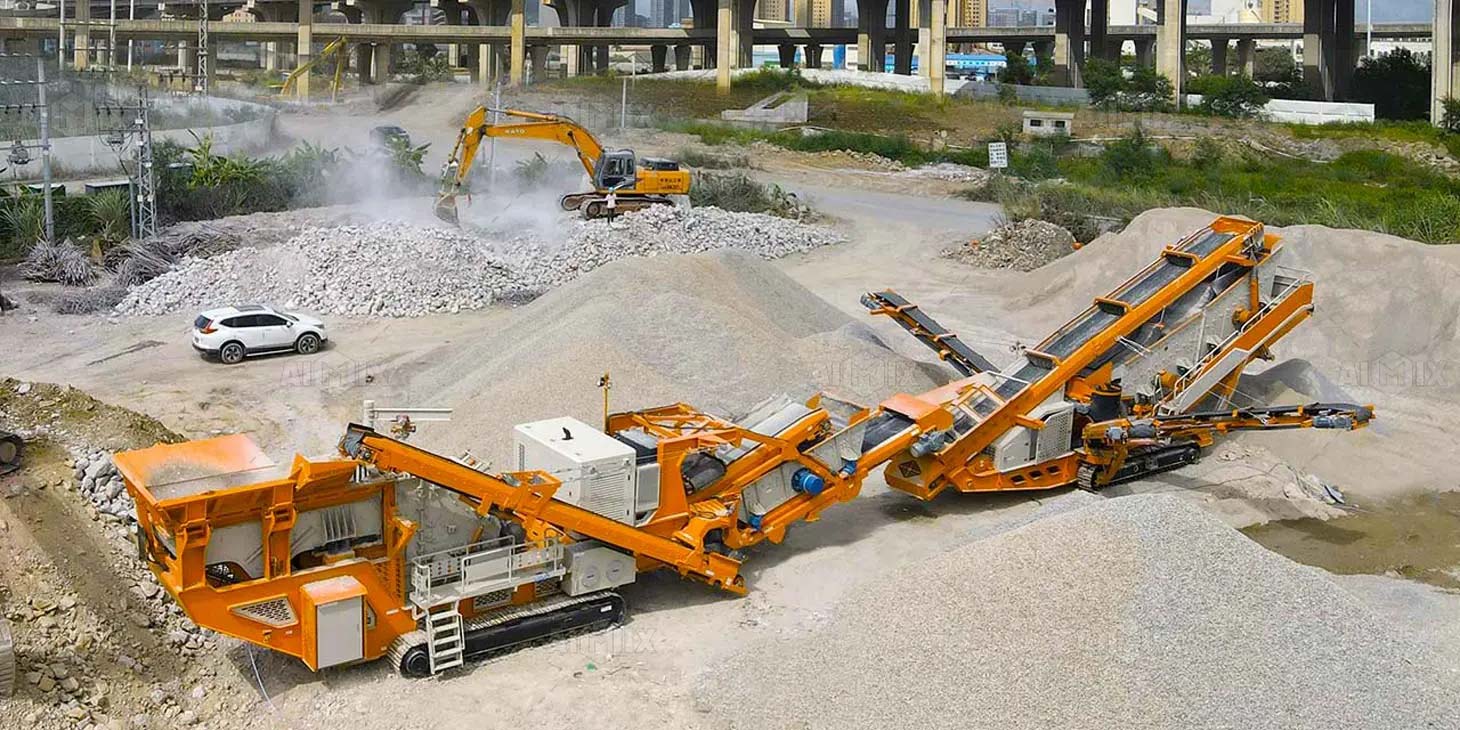
For contractors, quarry operators, and construction companies working across multiple locations, transporting materials to a fixed crushing plant can increase logistics costs and reduce project efficiency. A track mobile crusher offers an alternative by bringing crushing equipment directly to the material source. Its crawler-mounted chassis allows the plant to move between working areas with less dependence on external transportation equipment. Whether processing quarry rock, demolished concrete, or construction waste, tracked crushing equipment helps businesses establish flexible production operations across different project sites.
1. Why Use a Track Mobile Crusher for Multiple Working Locations?
Traditional stationary crushing plants are designed for long-term operations at a fixed location. Although they can support large-scale production, relocating them requires dismantling equipment, arranging transportation, and preparing new foundations. These requirements may not suit contractors managing short-term projects or multiple material sources.
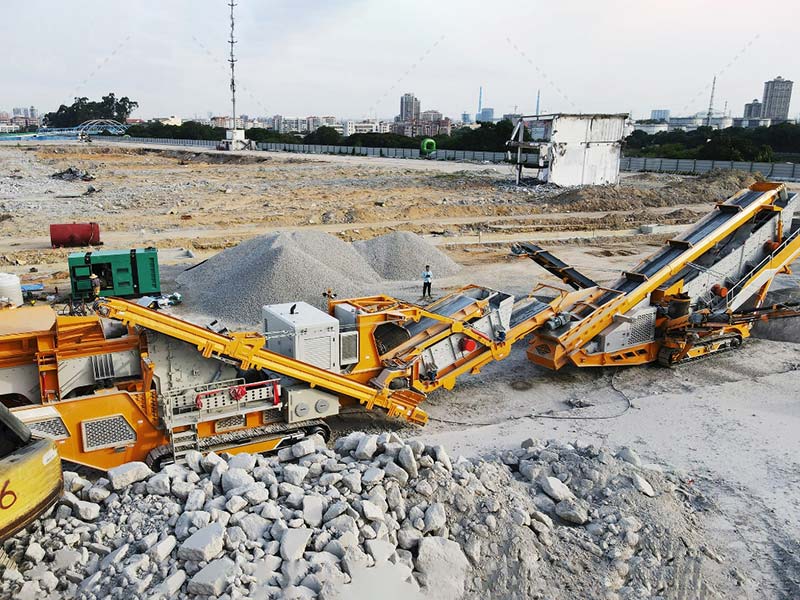
A track mobile crusher integrates crushing equipment with a crawler chassis, allowing the unit to travel between designated working areas. This configuration offers several practical advantages:
- Reduced relocation requirements: The crawler system allows the crusher to move around suitable job sites without being transported on a separate trailer for every short-distance movement.
- On-site material processing: Raw materials can be crushed near excavation, demolition, or quarry working areas, reducing unnecessary material transportation.
- Flexible project deployment: Equipment can be reassigned to different locations as production requirements and project schedules change.
- Reduced site preparation: Compared with permanent crushing facilities, tracked units generally require less extensive foundation construction.
- Integrated operation: Crushing, feeding, and sometimes screening functions can be incorporated into a mobile configuration.
These advantages are particularly valuable for contractors who need to process materials at different locations rather than maintain one centralized production facility.
2. Select the Right Track Mobile Crusher for Different Materials
Equipment configuration should match the material being processed, required output size, and expected production volume. Different crusher types serve different purposes, so selecting the right crushing unit is essential when moving between project sites.
Track Mobile Jaw Crusher for Primary Crushing
A tracked mobile jaw crusher is commonly used to process large rocks and construction materials during the primary crushing stage. Its compression-based crushing mechanism makes it suitable for granite, basalt, limestone, and concrete blocks.
For quarry contractors working across multiple extraction areas, a mobile jaw crusher can reduce large feed materials before secondary processing. Buyers should evaluate maximum feed size, discharge opening, processing capacity, and material hardness when selecting a model.
Mobile Impact Crusher for Aggregate and Recycling Applications
A mobile impact crusher uses impact forces to break materials into smaller particles. It is frequently applied to limestone processing, concrete recycling, and other applications where particle shape and reduction ratio are important.
For contractors handling demolished concrete at different construction sites, an impact crusher can help convert waste materials into reusable aggregates. However, material abrasiveness should be considered because highly abrasive feed may increase blow bar wear and maintenance expenses.
Mobile Concrete Crusher for Demolition Projects
A mobile concrete crusher is designed to process concrete waste generated from building demolition, road reconstruction, and infrastructure renovation. Depending on its configuration, it may use jaw or impact crushing technology to reduce concrete blocks into reusable material.
When selecting equipment, contractors should consider concrete block dimensions, reinforcement conditions, required output sizes, and the presence of other construction debris. Reinforcing steel may require suitable separation equipment, such as magnetic separators, to remove metal from the crushed material.
3. Applications Across Different Project Sites
Tracked crushing equipment can support several types of operations where material sources or working locations change over time.
Quarry Operations with Multiple Extraction Areas
Large quarries may have several extraction zones with different rock characteristics and working conditions. A track mobile crusher can move between suitable extraction areas, allowing contractors to process material closer to the active mining face.
For projects requiring multiple crushing stages, a mobile jaw crusher can handle primary reduction, while a tracked cone or impact crusher performs secondary processing. The equipment combination should be determined by rock hardness, feed size, and final aggregate specifications.
Construction and Road Development Projects
Road construction projects frequently generate excavated rock, broken pavement, and other materials that may be suitable for on-site processing. Relocating a track mobile crusher along the project route can help contractors process material near different working sections.
Instead of transporting all excavated materials to a centralized facility, contractors may crush suitable materials near the point of generation and reuse the resulting aggregates for selected construction applications, subject to project specifications.
Construction Waste Recycling Operations
Demolition contractors often work at multiple locations, with concrete and masonry waste generated at different sites. A mobile crushing unit can be deployed directly to these locations to reduce the volume of waste and produce reusable recycled aggregates.
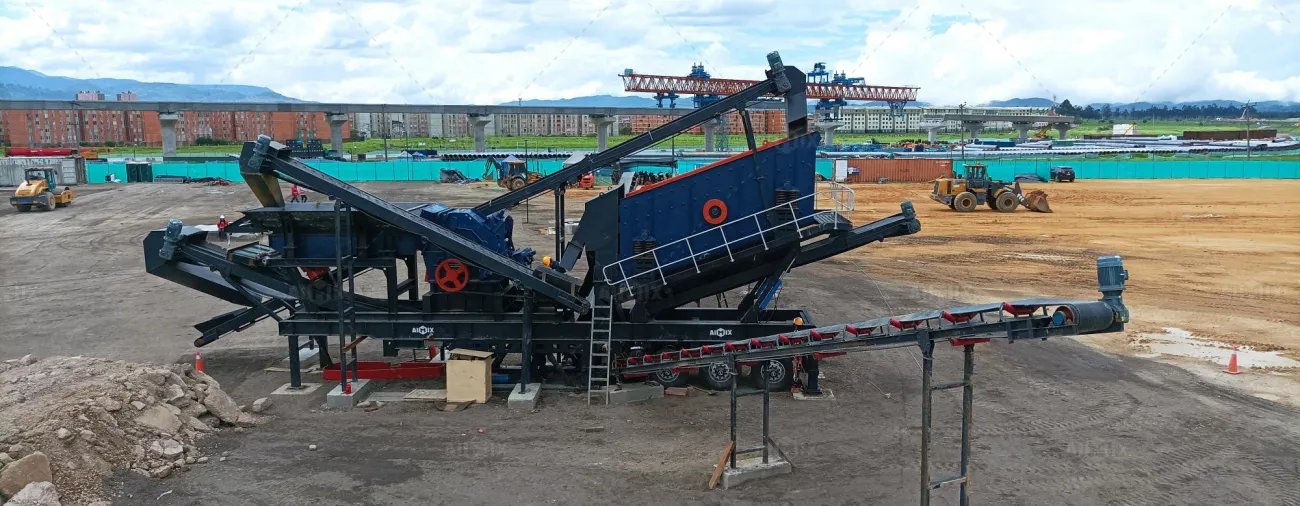
For businesses managing several demolition and recycling projects, a construction waste recycling plant built around tracked crushing equipment provides a flexible processing option. Depending on material composition and recycling requirements, the system may incorporate a mobile jaw crusher, mobile impact crusher, vibrating screen, magnetic separator, and conveying equipment.
4. How to Plan Equipment Relocation Between Project Sites
Although a track mobile crusher offers greater mobility, relocation still requires proper planning. Moving equipment without considering site access, ground conditions, and transportation arrangements can create delays and additional costs.
Before transferring equipment, contractors should evaluate the following factors:
- Site accessibility: Check road width, turning space, gradients, overhead restrictions, and access conditions for the crusher and supporting transportation vehicles.
- Ground conditions: Evaluate ground bearing capacity, slope, drainage, and surface stability before operating or moving the crawler unit.
- Transportation regulations: Confirm equipment dimensions, weight, and local road transportation requirements. Long-distance relocation may still require specialized trailers.
- Utility availability: Check power supply, fuel arrangements, and supporting equipment requirements at the new location.
- Production layout: Plan the positions of feeders, stockpiles, conveyors, loaders, and other supporting equipment to maintain efficient material flow.
It is also important to distinguish between moving a crusher within a job site and transporting it between distant projects. Crawler mobility simplifies on-site repositioning, but public-road transportation may still require disassembly or specialized hauling arrangements.
5. Evaluate Operating Costs and Equipment Utilization
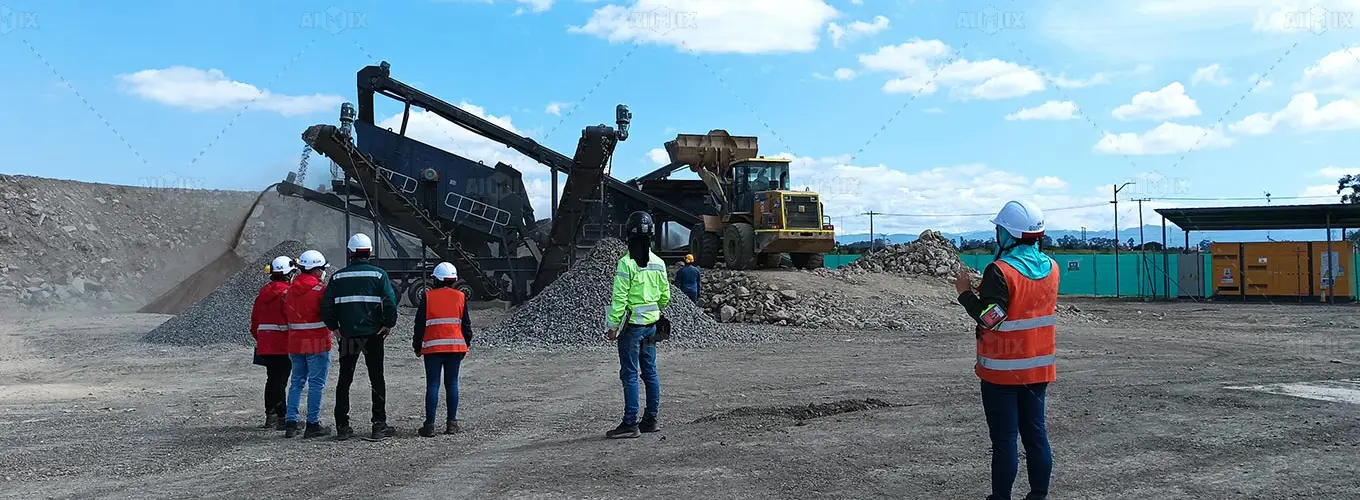
The economic value of a track mobile crusher depends on how frequently it is used, how far it must travel, and how much production time is lost during relocation. Contractors should compare the total cost of mobile crushing with the combined expenses of stationary processing and material transportation.
Important cost factors include:
- Equipment investment: Purchase price varies according to crusher type, production capacity, automation, and supporting systems.
- Fuel and energy consumption: Engine power, material hardness, crushing conditions, and operating hours influence energy expenses.
- Wear parts: Jaw plates, cone liners, and impact blow bars require replacement at different intervals depending on material characteristics.
- Relocation expenses: Transportation, site preparation, and commissioning costs should be included when evaluating multiple projects.
- Equipment utilization: A crusher serving several projects may achieve better annual utilization than equipment dedicated to one short-term operation.
For example, contractors handling recurring demolition projects may benefit from a mobile concrete crusher because it can be reassigned as individual sites are completed. However, businesses with continuous high-volume production at one location may find a stationary crushing plant more economical.
Conclusion
A track mobile crusher provides contractors and quarry operators with a flexible way to relocate crushing operations across multiple working locations. From primary rock crushing to concrete recycling, the right equipment configuration can reduce material transportation, support on-site processing, and improve equipment utilization across projects. Before investing, evaluate material characteristics, relocation frequency, site accessibility, and production requirements to determine whether tracked crushing equipment is the most economical solution for your operations.