
Portable crushing plants allow quarry operators to process rock closer to the extraction area instead of transporting all raw material to a centralized crushing station. This approach can reduce internal haulage distances, lower truck operating costs, and improve material handling efficiency. However, processing near the quarry face is not always the most economical solution. The decision depends on how quickly the extraction area changes, the condition of access roads, the volume of material available, and the requirements of the downstream production process. Comparing both layouts helps operators determine where crushing should take place to achieve the lowest overall cost per ton.
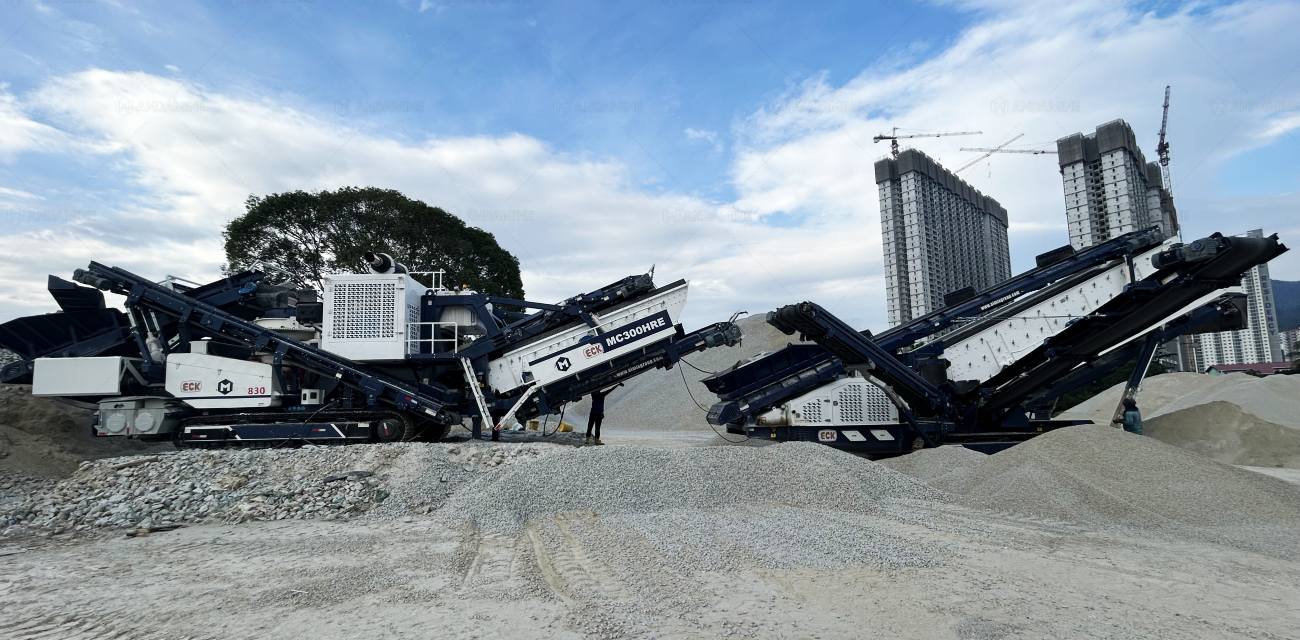
How Crushing Location Affects Quarry Operating Costs
In a traditional centralized layout, haul trucks transport blasted rock from the extraction area to a fixed crushing plant. This arrangement provides a stable location for feeding, screening, stockpiling, and maintenance. However, as the quarry face moves farther away, truck travel distances increase. Longer cycles mean that fewer trips can be completed per shift, while fuel consumption, tire wear, driver hours, and equipment maintenance costs may rise.
Placing portable crushing plants closer to the quarry face changes this material flow. Instead of transporting large volumes of unprocessed rock over long distances, operators can crush the material near its extraction point and move the reduced-size product through a suitable conveying or hauling system. The potential savings depend on the difference between raw-material haulage costs and the costs of relocating, operating, and maintaining the portable equipment.
Quarry managers should compare the complete material-handling process rather than focusing only on truck mileage. If crushed aggregate still requires long-distance transport to screening, stockpiling, or dispatch areas, some of the expected savings may be offset by additional handling or conveyor installation.
When Portable Crushing Near the Quarry Face Makes Sense
Portable crushing is particularly useful when extraction areas change frequently or when the distance between the working face and the fixed plant creates substantial haulage costs. Projects with large material volumes may benefit because even a modest reduction in the average truck cycle can generate significant savings over time. Portable equipment can also support phased quarry development, allowing crushing capacity to follow the active production area rather than remaining tied to one location.
A tracked mobile crusher can be suitable for operations that require frequent relocation within a quarry. Its crawler undercarriage allows it to move around prepared working areas without relying on conventional road transport for every short-distance move. This can improve deployment flexibility, particularly where the extraction face changes as mining progresses. Nevertheless, operators must evaluate ground bearing capacity, gradients, machine weight, access width, and safe travel routes before positioning tracked equipment near the face.
Portable processing is less attractive when the extraction area remains stable for many years, the centralized plant already has efficient haulage infrastructure, or frequent relocation would interrupt production. In these conditions, a fixed plant may offer better long-term economics through permanent foundations, optimized conveyor routes, and a dedicated maintenance area.
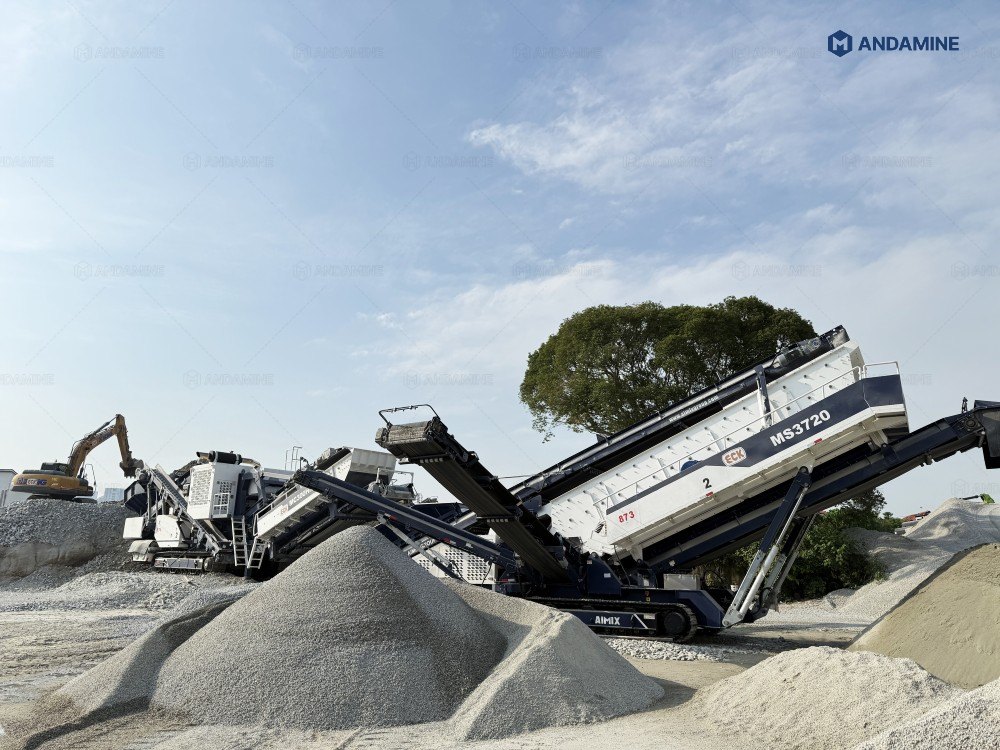
Portable Crushing Plants vs. Centralized Crushing Stations
The two layouts differ in their balance of transport costs, installation requirements, and operating flexibility. Portable plants can reduce raw-material hauling distances, but they may introduce relocation expenses, temporary site preparation, and more complicated access for maintenance. Centralized plants generally require less frequent movement and can support integrated production lines, although their distance from the active extraction face may become a growing operational disadvantage.
| Comparison factor | Portable crushing near the face | Centralized crushing station |
|---|---|---|
| Raw-material haulage | Can reduce travel distance from extraction | May require longer truck cycles as the face moves |
| Relocation | Requires planned moves and possible setup downtime | Usually remains in one location |
| Infrastructure | May need temporary access, power, or conveying arrangements | Can use permanent foundations and established services |
| Production stability | Depends on relocation frequency and site conditions | Can support a stable, integrated production flow |
| Best-fit conditions | Changing extraction areas and costly internal haulage | Stable extraction zones and established infrastructure |
Neither configuration is automatically more efficient. The right choice depends on total cost per ton, including loading, haulage, crushing, screening, maintenance, relocation, and stockpile management. In some quarries, a hybrid arrangement works best: a portable primary crusher reduces large rocks near the face, while a centralized secondary or tertiary plant controls final gradation and product quality.
How to Choose a Mobile Crusher for Quarry Operations
When deciding how to choose a mobile crusher, start with the material and production requirements rather than the machine’s advertised maximum capacity. Identify the rock type, maximum feed size, abrasiveness, moisture conditions, and required finished aggregate sizes. These characteristics determine whether a jaw crusher is appropriate for primary reduction, whether a cone or impact crusher is needed for further processing, and whether integrated screening is necessary.
Next, estimate the actual production rate required during normal operations and peak demand. The selected plant should work effectively with the excavator or loader supplying material, the downstream screening system, and the transport method moving finished aggregate. A crusher with a high nominal capacity cannot maintain that output if the feeder receives inconsistent material or the discharge area becomes congested.
Relocation requirements are another important factor. Compare the time needed to move and restart the equipment with the expected savings from shorter haulage distances. Frequent moves can erode the benefits of portable crushing if each relocation requires extensive preparation, disconnection, or commissioning. Operators should also confirm maintenance access, wear-part availability, fuel or power requirements, and safe working clearances at the proposed location.
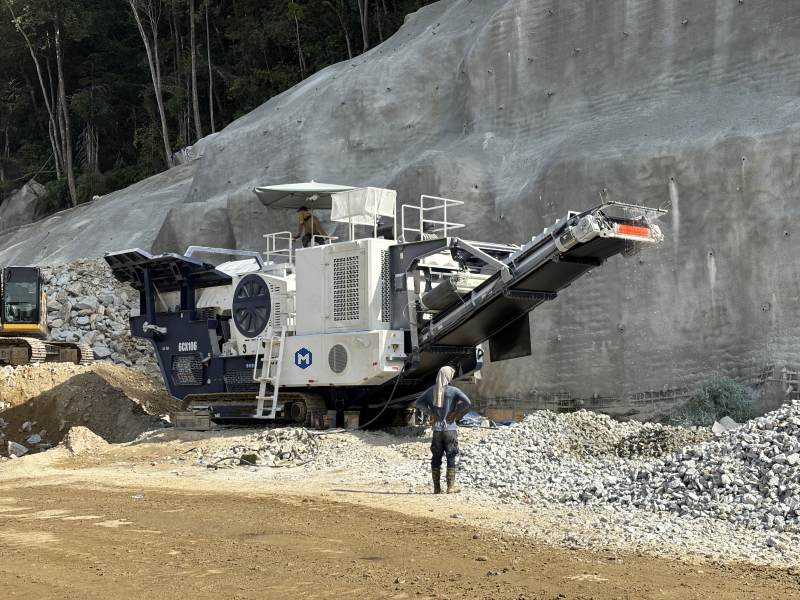
Quarry Conditions and Logistics in Malaysia
For operators researching a mobile crusher Malaysia solution, site logistics and local operating conditions should be included in the equipment assessment. Quarry access roads, rainfall, drainage, ground stability, transport regulations, and the distance to service facilities can all affect deployment and production continuity. Wet conditions may make some working areas unsuitable for heavy tracked machinery, while muddy feed can cause material buildup and reduce screening efficiency.
Transport planning also matters when equipment must travel between quarries or be delivered to a new project. Confirm the machine’s transport dimensions and weight, required permits, loading arrangements, and access restrictions before purchase. For remote operations, the availability of replacement wear parts and technical support can be as important as the initial equipment price because extended downtime may eliminate the savings gained from reduced haulage.
Quarry operators should request a configuration based on actual feed conditions, target products, expected operating hours, and relocation frequency. A site-specific layout assessment can help establish whether crushing near the face, centralized processing, or a hybrid system offers the most practical balance of cost and productivity.
Calculating Whether Shorter Haul Distances Deliver Real Savings
A practical comparison begins with the current cost of transporting raw material from the extraction face to the central plant. Estimate truck cycle time, fuel use, labor, tire wear, maintenance, and the number of trips required per ton. Then calculate the corresponding costs under the portable layout, including equipment operating expenses, internal movement of crushed material, relocation downtime, and any additional conveying or stockpiling requirements.
The difference between these two operating scenarios reveals the potential net saving per ton. Multiply that figure by the expected annual production volume to estimate annual savings, then compare the result with the additional investment and relocation costs. Use realistic production assumptions and include downtime; relying on ideal capacity figures can overstate the financial benefit.
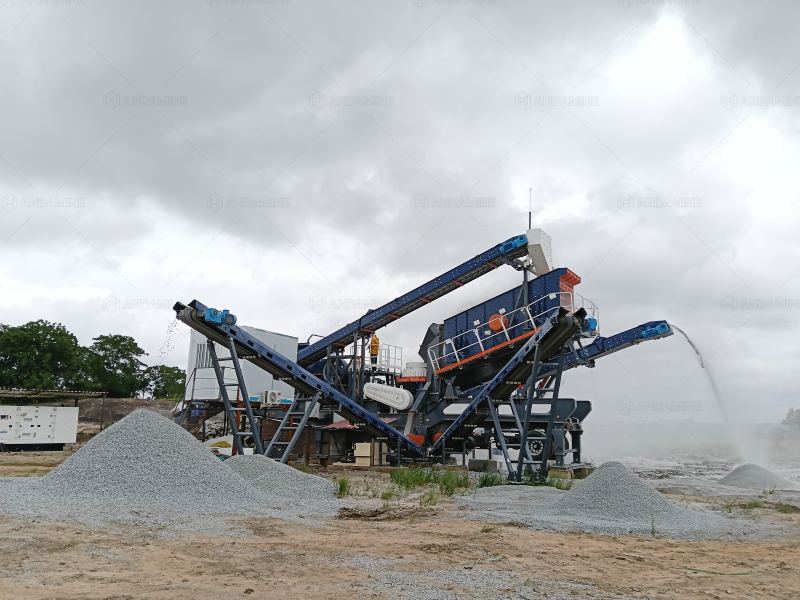
Conclusion
Portable crushing plants can improve quarry efficiency when they reduce costly raw-material haulage and can be relocated without excessive disruption. A tracked mobile crusher is worth considering where the extraction face changes frequently, while a centralized station may remain more economical for stable, long-term production. By evaluating haulage cycles, feed characteristics, downstream processing, site conditions, and total cost per ton, quarry operators can determine whether portable, centralized, or hybrid crushing offers the strongest operational advantage.